Author: phpbiotechdev

  • Nanobodies vs. Monoclonal Antibodies: Key Differences in Size, Targeting & Therapeutic Potential

    Nanobodies vs. Monoclonal Antibodies: Key Differences in Size, Targeting & Therapeutic Potential

    Quick answer: Nanobodies and conventional monoclonal antibodies both bind targets with high specificity, but they differ dramatically in size and structure. A conventional monoclonal antibody is a large protein (~150 kDa) with heavy and light chains; a nanobody is a single small domain (~15 kDa) derived from camelid heavy-chain-only antibodies. That size difference gives nanobodies potential advantages in tissue penetration, target access, stability, and engineering flexibility, which is why they are an increasingly studied modality in drug development.

    Structural differences

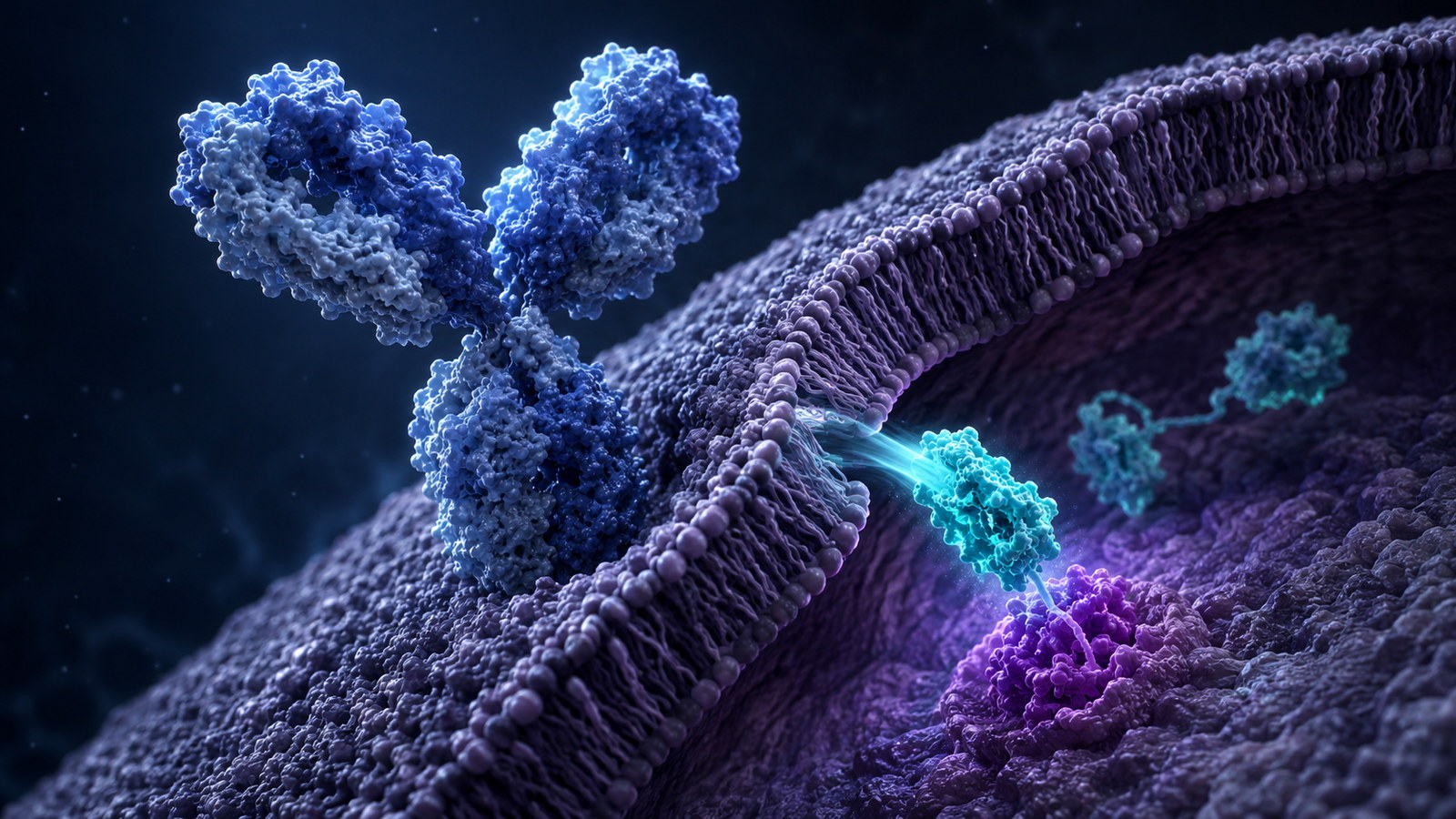
    A conventional monoclonal antibody is built from four protein chains (two heavy, two light) folded into the familiar Y shape, with two binding arms. A nanobody consists of just the single variable domain (VHH) that does the binding. Removing everything else leaves a compact, robust protein about one-tenth the size.

    How that affects targeting

    Because they are small and have a differentiated paratope format, nanobodies can potentially reach into narrow clefts and hidden epitopes on a target protein that a bulky antibody cannot access. This can matter for targets that have been considered undruggable by larger molecules, particularly those located inside the cell. Nanobodies can also be fused together to build multi-target or multivalent constructs. Unlike traditional antibody-drug conjugates (ADCs), PHP Biotech’s Platform integrates the therapeutic sequence directly into the nanobody during recombinant expression, producing a single functional biologic without chemical conjugation or linker technologies — an approach the company describes as linker-free biologics, or recombinant nanobody therapeutics.

    Comparing key properties

    Size: nanobody ~15 kDa vs. monoclonal antibody ~150 kDa.
    Source: nanobodies derive from camelid heavy-chain-only antibodies; monoclonals are typically produced in mammalian cell systems.
    Tissue & target access: smaller size may aid distribution into dense tissue and access to intracellular targets.
    Stability & engineering: nanobodies are generally stable and modular, supporting flexible nanobody engineering and recombinant production.
    Maturity: monoclonal antibodies are a well-established therapeutic class; nanobody therapeutics are a newer, fast-growing field.

    Why this matters for next-generation therapeutics

    Conventional monoclonal antibodies transformed medicine, but their size limits which targets they can reach — particularly targets inside the cell. Nanobodies expand the toolkit, offering researchers a way to pursue mechanisms that were previously hard to address. PHP Biotech is applying this shift through a programmable nanobody Platform: a linker-free, recombinant biologic drug delivery platform engineered to create first-in-class biologics that is able to act on intracellular targets. PHP53-nb is the platform’s first proof-of-concept, with the same architecture intended to support future bispecific, multispecific, and other next-generation biologics. See Our Science for more on how PHP53-nb is being studied, and the Potential Impact page for why this approach matters. The company’s research remains at the preclinical stage.

    Frequently asked questions

    Are nanobodies better than antibodies?
    Not universally — they are different tools. Nanobodies offer advantages in size and access; monoclonal antibodies are a mature, proven class.

    How much smaller is a nanobody?
    Roughly one-tenth the size of a full monoclonal antibody.

    Can nanobodies be humanized?
    Yes. Nanobodies can be engineered (humanized) to reduce the risk of an immune response, as with PHP Biotech’s humanized nanobody platform.

    Are nanobody drugs on the market?
    Yes. Two nanobody-based therapies have reached the market, and an extensive clinical pipeline is advancing candidates for cancer, autoimmune and inflammatory diseases, infectious diseases, hematological disorders, and central nervous system disorders — reflecting the rapid expansion of this modality.

    About PHP Biotech

    PHP Biotech is a U.S.-based platform biotechnology company developing a proprietary nanobody Platform for precision oncology. Its linker-free, humanized nanobody platform integrates the therapeutic sequence directly into the nanobody through recombinant expression — an approach to recombinant nanobody therapeutics engineered to reach historically undruggable intracellular targets and to create a new class of biologics. The same programmable platform is designed to generate future multispecific and other next-generation biologics, produced in CHO cells to support industrial-scale recombinant manufacturing. PHP53-nb — a humanized nanobody in preclinical development, studied for p53 reactivation — is the first proof-of-concept generated by the platform, not the company’s only program. PHP Biotech’s intellectual property portfolio currently includes four U.S. patent applications covering the platform, the recombinant production technology, the therapeutic peptide library, and PHP53-nb.

    Learn more at phpbiotech.com. This content is educational, describes research in model systems, and makes no efficacy, safety, or treatment claims about PHP53-nb.
  • Understanding Triple-Negative Breast Cancer (TNBC): Why It’s Hard to Treat and Where Research Is Headed

    Understanding Triple-Negative Breast Cancer (TNBC): Why It’s Hard to Treat and Where Research Is Headed

    Quick answer: Triple-negative breast cancer (TNBC) is a form of breast cancer whose cells lack the three receptors most commonly targeted by breast-cancer therapies: estrogen receptor (ER), progesterone receptor (PR), and HER2. Because those targets are absent, several standard treatments do not work against it, which makes TNBC more aggressive and harder to treat. It is a major focus of new drug research aimed at finding fresh molecular targets.

    What “triple-negative” means

    Many breast cancers grow in response to hormones (through the ER and PR receptors) or overexpress the HER2 protein, and effective therapies exist that target each of these. TNBC cells test negative for all three. That is good news in the sense that it defines the disease precisely, but it removes the receptor-targeted and hormone-based treatment options that help many other breast-cancer patients.

    Why TNBC is so challenging

    TNBC tends to be more aggressive, is more likely to affect younger patients, and historically has had fewer targeted-treatment options and lower survival rates than receptor-positive breast cancers. Because it lacks the common targets, treatment has often relied more heavily on chemotherapy. This gap is precisely why researchers are working to identify new vulnerabilities in TNBC cells.

    Where research is headed

    Scientists are pursuing multiple avenues in TNBC, including immunotherapy approaches, antibody-drug conjugates, and strategies aimed at genetic drivers of the disease. One area of interest involves the p53 pathway, since TP53 mutations are common in TNBC. New modalities — including small, precise molecules such as nanobodies that may reach intracellular targets — are being explored as ways to address vulnerabilities that have been difficult to drug. Visit Our Science to see how these approaches are being studied in preclinical models.

    PHP Biotech’s focus on aggressive cancers

    PHP Biotech is a platform biotechnology company focused on the most aggressive cancers, with TNBC as a lead area of interest for its research candidate PHP53-nb. Its proprietary nanobody platform is built as a precision oncology platform — centered on tumor-selective delivery aimed at biologically defined tumor subpopulations — and is designed to produce tumor-selective biologics that reach intracellular targets long considered undruggable. PHP53-nb, the platform’s first proof-of-concept, is being studied in preclinical models; the platform itself is intended to generate additional precision therapeutics over time. See the Potential Impact page for more on why this matters for hard-to-treat cancers like TNBC. According to the World Health Organization, breast cancer accounts for hundreds of thousands of deaths worldwide each year, underscoring why continued research into hard-to-treat subtypes like TNBC matters. All PHP Biotech findings to date are from preclinical model systems.

    Frequently asked questions

    What makes breast cancer “triple-negative”?

    The cancer cells lack estrogen, progesterone, and HER2 receptors — the three most common treatment targets.

    Why is TNBC harder to treat?

    Without those receptors, hormone and HER2-targeted therapies do not work, leaving fewer targeted options.

    Who does TNBC affect?

    It can affect anyone with breast tissue but is more common in younger patients and certain populations.

    Is there new hope for TNBC?

    Research is active across immunotherapy, antibody-drug conjugates, and novel targeted approaches — including intracellular nanobody strategies — though outcomes depend on each program’s studies.

    This article is educational and is not medical advice. Patients should consult their oncology team about diagnosis and treatment.

    About PHP Biotech

    PHP Biotech is a U.S.-based platform biotechnology company developing a proprietary nanobody platform for precision oncology. Its linker-free, humanized nanobody platform integrates the therapeutic sequence directly into the nanobody through recombinant expression — an approach to recombinant nanobody therapeutics engineered to reach historically undruggable intracellular targets and to create a new class of biologics. The same programmable platform is designed to generate future multispecific and other next-generation biologics, produced in CHO cells to support industrial-scale recombinant manufacturing. PHP53-nb — a humanized nanobody in preclinical development, studied for p53 reactivation — is the first proof-of-concept generated by the platform, not the company’s only program. Meet the team behind this research on the About Us page. PHP Biotech’s intellectual property portfolio currently includes four U.S. patent applications covering the platform, the recombinant production technology, the therapeutic peptide library, and PHP53-nb.

    Learn more at phpbiotech.com. This content is educational, describes research in model systems, and makes no efficacy, safety, or treatment claims about PHP53-nb.
  • The p53 Tumor Suppressor Explained: Why Reactivating Mutant p53 Is a Major Oncology Target

    The p53 Tumor Suppressor Explained: Why Reactivating Mutant p53 Is a Major Oncology Target

    Quick answer: p53 is a protein often called the “guardian of the genome” because it helps prevent damaged cells from becoming cancerous — by pausing cell division for repair or triggering programmed cell death (apoptosis) when damage is severe. The gene that makes p53 (TP53) is mutated in a large share of human cancers, which disables this protection. Restoring, or “reactivating,” the function of mutant p53 — often called p53 reactivation — is a major and long-standing goal in cancer research.

    What p53 does in a healthy cell

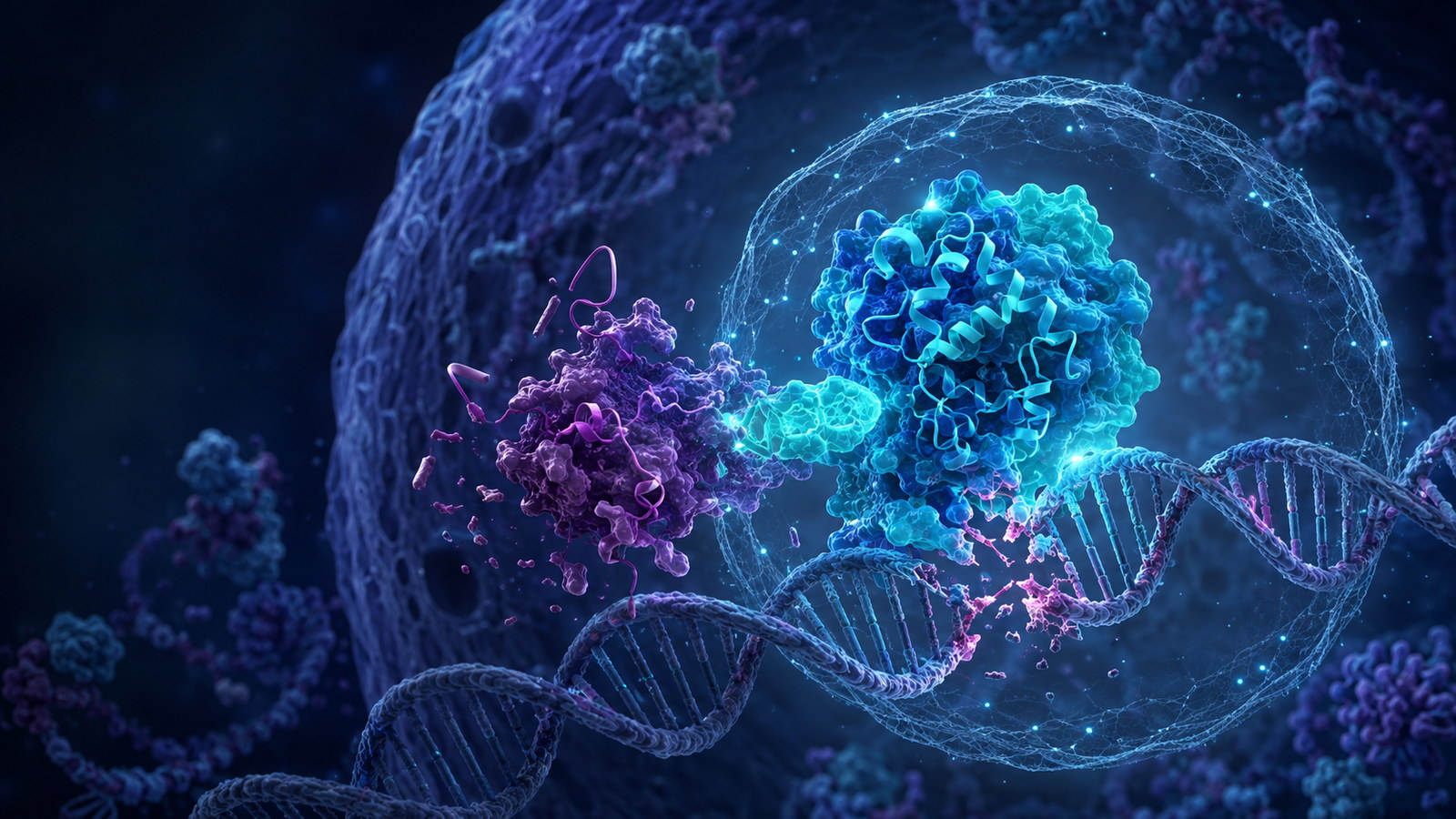
    p53 acts as a central checkpoint. When a cell’s DNA is damaged, p53 can halt the cell cycle to allow repair, or, if the damage is too great, direct the cell to self-destruct through apoptosis. This prevents damaged cells from multiplying and forming tumors, which is why p53 is described as a tumor suppressor.

    What happens when p53 is mutated

    TP53 is among the most frequently mutated genes across human cancers. When p53 is mutated, the protein can lose its protective function, and in some cases gain properties that actively promote tumor growth. The result is that cells with dangerous DNA damage can survive and proliferate. Because p53 loss of function is so common, it has been a focus of oncology research for decades.

    Why “reactivating” p53 is so challenging and compelling

    Historically, p53 has been considered a difficult target because it is not an enzyme with an obvious pocket for a drug to block — and much of the relevant biology sits inside the cell, out of reach of conventional antibodies. Researchers have pursued several strategies for p53 reactivation, aiming to restore p53’s tumor-suppressing activity in cancer cells. The appeal is clear: if the guardian function could be switched back on selectively in tumor cells, it could, in principle, drive those cells toward apoptosis. Explore Our Science to see how this plays out in preclinical data. This remains an active field of investigation.

    PHP Biotech’s research focus

    PHP Biotech’s lead research candidate, PHP53-nb, is a humanized nanobody being studied for its ability to engage the p53 pathway in cancer-cell models — work aligned with the broader scientific goal of p53 reactivation. PHP53-nb is the first proof-of-concept generated from PHP Biotech’s proprietary nanobody Platform, serving as an initial validation of the broader technology rather than the company’s sole focus. The platform is a programmable, linker-free nanobody system built around a precision oncology strategy: tumor-selective delivery to biologically defined patient populations. It is intended to generate future multispecific and other next-generation biologics through a common engineering architecture, with recombinant manufacturing in CHO cells to support industrial scalability. To understand the broader clinical significance of this approach, see the Potential Impact page. PHP Biotech’s intellectual property portfolio currently includes four U.S. patent applications covering the platform, the recombinant production technology, the therapeutic peptide library, and the lead candidate PHP53-nb. All results described to date are from model systems and preclinical research.

    Frequently asked questions

    What is p53 in simple terms?

    A protective protein that stops damaged cells from turning into cancer, by pausing them for repair or triggering their death.

    Why is p53 important in cancer?

    The TP53 gene is mutated in a large fraction of cancers, removing a key safeguard against tumor formation.

    What does “reactivating p53” mean?

    Restoring the tumor-suppressing function that is lost when p53 is mutated — a leading goal in oncology research known as p53 reactivation. Learn more on the Our Science page.

    How is PHP Biotech approaching mutant p53?

    Through PHP53-nb, a humanized nanobody and the first proof-of-concept from its nanobody Platform, studied in preclinical models for engagement with the p53 pathway.

    Is p53 reactivation an approved treatment?

    It is an area of ongoing research; approaches are at various preclinical and clinical stages.

    About PHP Biotech

    PHP Biotech is a U.S.-based platform biotechnology company developing a proprietary nanobody Platform for precision oncology. Its linker-free, humanized nanobody platform integrates the therapeutic sequence directly into the nanobody through recombinant expression — an approach to recombinant nanobody therapeutics engineered to reach historically undruggable intracellular targets and to create a new class of biologics. The same programmable platform is designed to generate future multispecific and other next-generation biologics, produced in CHO cells to support industrial-scale recombinant manufacturing. PHP53-nb — a humanized nanobody in preclinical development, studied for p53 reactivation — is the first proof-of-concept generated by the platform, not the company’s only program. Read more about what this could mean for patients on the Potential Impact page. PHP Biotech’s intellectual property portfolio currently includes four U.S. patent applications covering the platform, the recombinant production technology, the therapeutic peptide library, and PHP53-nb.

    Learn more at phpbiotech.com. This content is educational, describes research in model systems, and makes no efficacy, safety, or treatment claims about PHP53-nb.
  • What Is a Nanobody? How Camelid-Derived Antibodies Are Changing Cancer Drug Development

    What Is a Nanobody? How Camelid-Derived Antibodies Are Changing Cancer Drug Development

    Where nanobodies come from

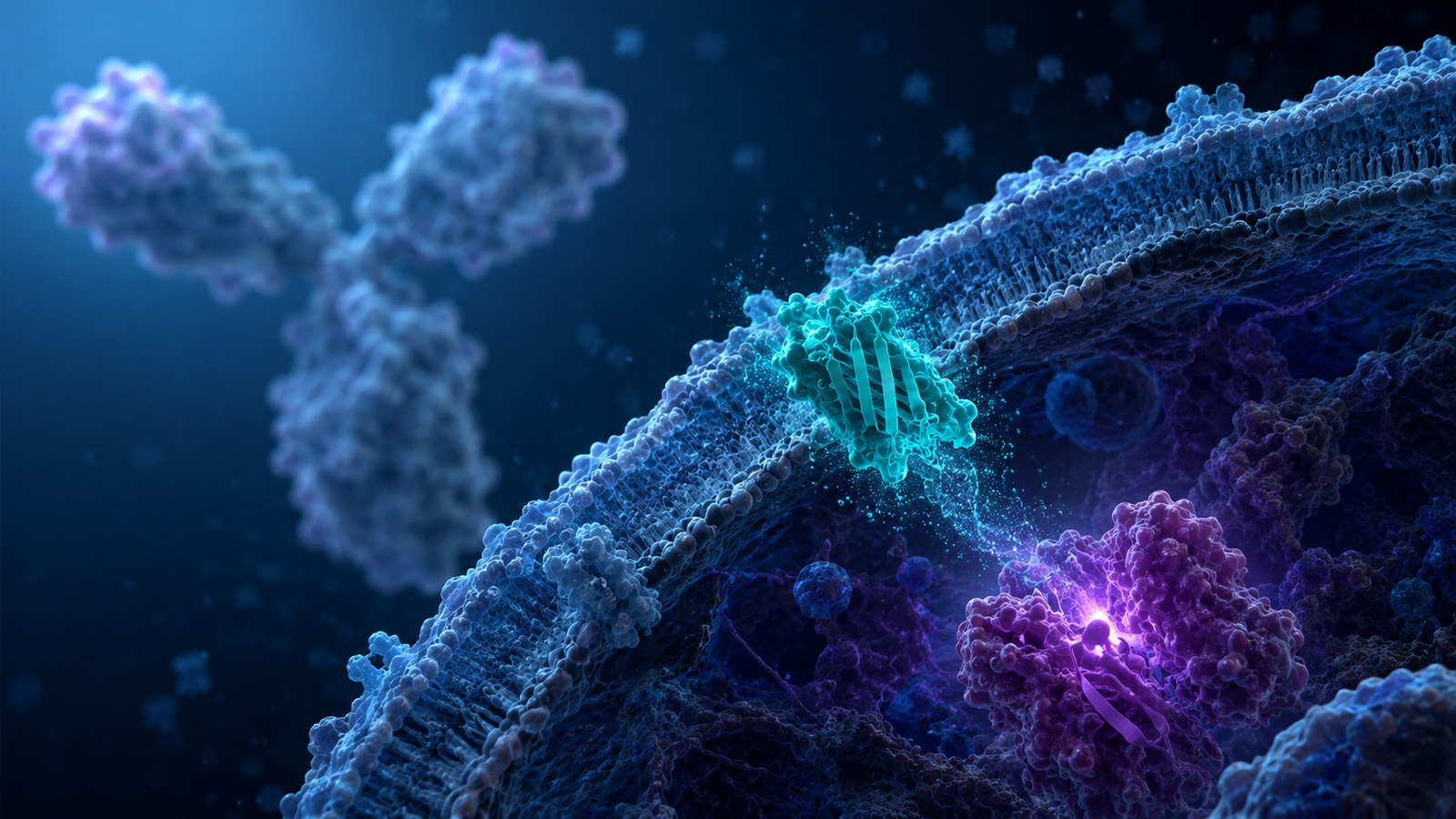
    Most antibodies in humans are large, Y-shaped proteins built from both heavy and light protein chains. Camelids, however, also make “heavy-chain-only” antibodies. The single binding region of one of these antibodies, known as a VHH domain, can be isolated and used on its own. That isolated fragment is what scientists call a nanobody, or single-domain antibody.

    Why size matters in drug development

    A nanobody is about 15 kilodaltons, compared with roughly 150 kilodaltons for a conventional monoclonal antibody. This small size gives researchers several properties of interest: nanobodies can potentially penetrate dense tissues, recognize small pockets on a target that larger antibodies cannot reach, and be engineered and produced more flexibly. Their stability and modularity also make them well suited to nanobody engineering — they can be linked together or combined into new formats — which is part of why they are being explored as a route to historically undruggable targets.

    How nanobodies are being explored in oncology

    In cancer research, nanobodies are being investigated as targeting tools and as therapeutics that engage specific proteins involved in tumor growth. Some approaches use nanobodies to deliver a payload; others aim to bind and modulate a target directly. Because of their size and specificity, nanobodies are an active area of translational research across many disease areas.

    PHP Biotech’s platform in context

    PHP Biotech is a U.S.-based platform biotechnology company developing a proprietary nanobody platform. Rather than a single-asset company, PHP Biotech is building a programmable nanobody platform designed to create a new class of  biologics — therapeutics engineered to reach targets inside the cell that have historically been considered undruggable targets. Its lead research candidate, PHP53-nb, is a humanized nanobody being studied in preclinical models for its ability to engage cancer cells; it represents the first proof-of-concept generated by the platform rather than the company’s only program. A distinguishing feature is the platform’s linker-free, recombinant design: the therapeutic sequence is integrated directly into the nanobody during recombinant expression rather than chemically conjugated, an approach intended to support consistent, scalable manufacturing. As with all preclinical research, findings to date come from laboratory and model systems.

    Frequently asked questions

    Is a nanobody the same as a conventional antibody?

    A nanobody is a single-domain fragment derived from a special class of camelid antibodies. It is antibody-based but much smaller than a full antibody.

    What animals produce nanobodies?

    Camelids (camels, llamas, and alpacas) naturally produce the heavy-chain-only antibodies that nanobodies are derived from.

    Why are nanobodies useful in research?

    Their small size, stability, and specificity let them reach and bind targets that larger antibodies may not — including intracellular targets.

    What is PHP Biotech’s approach to nanobodies?

    PHP Biotech is developing a proprietary  nanobody platform — a programmable, linker-free system designed to create first-in-class nanobody therapeutics for precision oncology. PHP53-nb is the first candidate generated from this platform.

    Are nanobody therapies available today?

    To date, two nanobody-based therapies have received approval. Beyond these, numerous nanobody therapeutics are in clinical development for oncology, autoimmune and inflammatory diseases, infectious diseases, hematological disorders, and central nervous system disorders — highlighting the broad therapeutic potential and growing clinical interest in this modality. Each candidate must complete its own studies.

    About PHP Biotech

    PHP Biotech is a U.S.-based platform biotechnology company developing a proprietary  nanobody platform for precision oncology. Its linker-free, humanized nanobody platform integrates the therapeutic sequence directly into the nanobody through recombinant expression — an approach to recombinant nanobody therapeutics engineered to reach historically undruggable intracellular targets and to create a new class of  biologics. The same programmable platform is designed to generate future multispecific and other next-generation biologics, produced in CHO cells to support industrial-scale recombinant manufacturing. PHP53-nb — a humanized nanobody in preclinical development, studied for p53 reactivation — is the first proof-of-concept generated by the platform, not the company’s only program. PHP Biotech’s intellectual property portfolio currently includes four U.S. patent applications covering the platform, the recombinant production technology, the therapeutic peptide library, and PHP53-nb.

    Learn more at phpbiotech.com. This content is educational, describes research in model systems, and makes no efficacy, safety, or treatment claims about PHP53-nb.